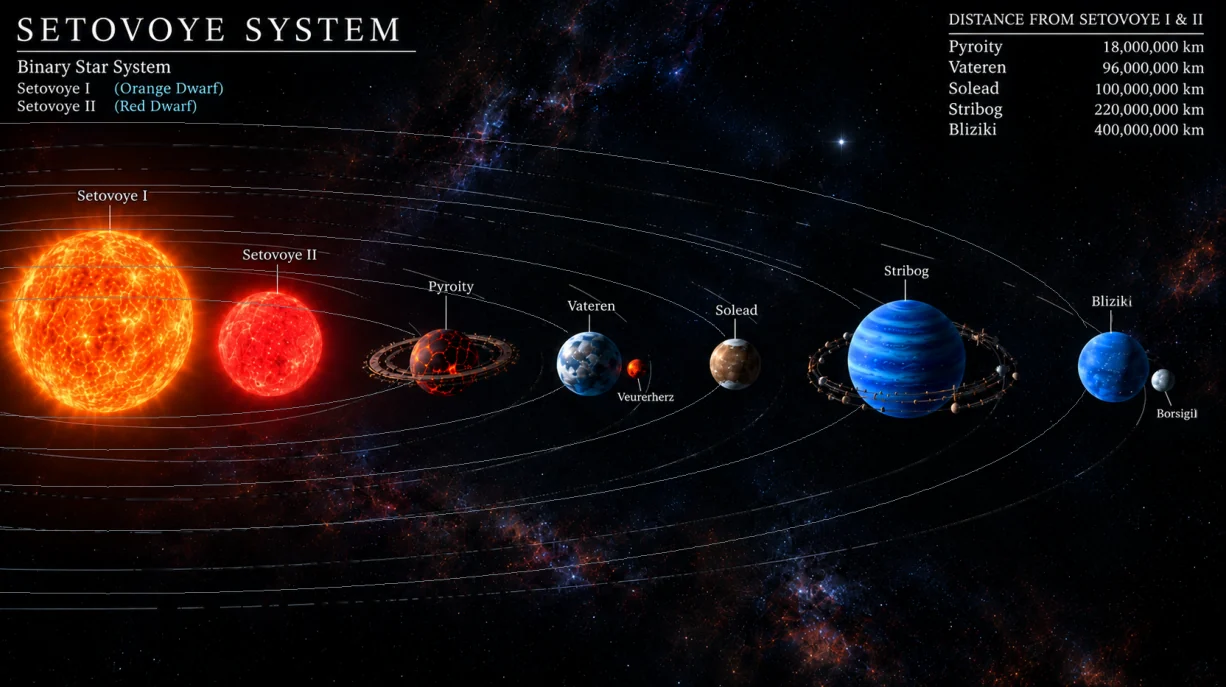
As an author, I believe that my speciality (and favourite part about storytelling) is building the world the characters inhabit. I prefer immersing myself in grand architecture and exotic scenery over writing about personal relationships and emotions. For this reason, I have constructed an expansive world for the Divine Cycle, part of which I will be describing here. The part in question is the Setovoye System, the home of the Albellurian species.
The stars
Let’s start with the centre of every star system: The star, or stars (They’re called STAR systems for a reason, after all). The name of a star system is often shared with the star itself. Our sun is called Sol, and in turn the star system is named the Solar System, often shortened to ‘Sol’ in many pieces of fiction (such as Stellaris, one of the primary inspirations for the series as a whole). The Setovoye System is a trinary star system, meaning that it contains three stars. Why did I decide to go with three stars? There are two main reasons, and for once, neither were meant to have any explicit symbolism. One was that when I played as a version of them in the video game Stellaris, their home system had three stars. Whether this was due to me intentionally setting it as that or because I set it to random, I do not remember, but I decided to stick with the concept, which leads me to my second reason. The concept of a star system with three stars gives one a lot of space to work with depending on how it is designed, alongside giving an exotic setting that fits the sci-fi theme of the story. In this case though, the primary segment of the star systems consists of two stars, orange dwarf Setovoye I and red dwarf Setovoye II, with the other star, yellow dwarf Setovoye III, having its own star system. This was inspired by the real life Alpha Centauri star system, which has Alpha Centauri A and B hosting one planetary system and Proxima Centauri, being much further away from them, having another one. Such concepts, in my opinion, make the system feel far larger and more expansive than if it had only one planetary system, which helps me to add more to this one system.
As for names, the word Setovoye means ‘light’ in Russian due to the Siberian Black League from the Hearts of Iron 4 mod The New Order (TNO) serving as a primary inspiration for the Arediyans (A nation inspired by both that and Nazi Germany is an… interesting combination considering the goals and ideology of the Black League).
Now onto what inspired each individual world in the Setovoye System. This, just like most of my story, has a clear Stellaris inspiration throughout.
Pyroity
Let’s start with Pyroity, a world whose name comes from the word ‘Pyro’. Pyroity is a classic molten world, like Mustafar from Star Wars. I picture it as a world covered by volcanoes spewing out an endless stream of ash into a black sky, illuminated by the lava flowing from their sides into vast molten oceans. That doesn't mean an advanced suit would save you, though. The volcanic eruptions that take place there are often very extreme as well – think something like Vesuvius being the daily norm, with Krakatoa level eruptions happening at least once every week. Supervolcanic eruptions (think Yellowstone) would probably happen several times a year, so you’d have to be really lucky to not get caught up in a large eruption while on the planet. This would mean that the planet is perpetually covered in massive pyroclastic flows (super hot avalanches of volcanic gas and ash, something watchers of 2012 and other disaster movies featuring volcanoes understand quite well), pelted by volcanic bombs (falling rocks formed from ejected lava cooling in midair, another highlight of volcano disaster movies) and an endless snowfall of ash. Furthermore, the massive volcanic eruptions taking place under lava would likely spawn lava tsunamis, and I hope that I do not need to explain how catastrophic those would be. Even with a pressure suit or reinforced habitations to survive the outside environment, you’d inevitably end up getting caught up in one of these hazards. Overall, it is similar to Venus, except that Pyroity is no doubt far more volcanic than Venus. Last I heard, at least it doesn't have entire oceans worth of boiling lava that constantly form into massive tsunamis.
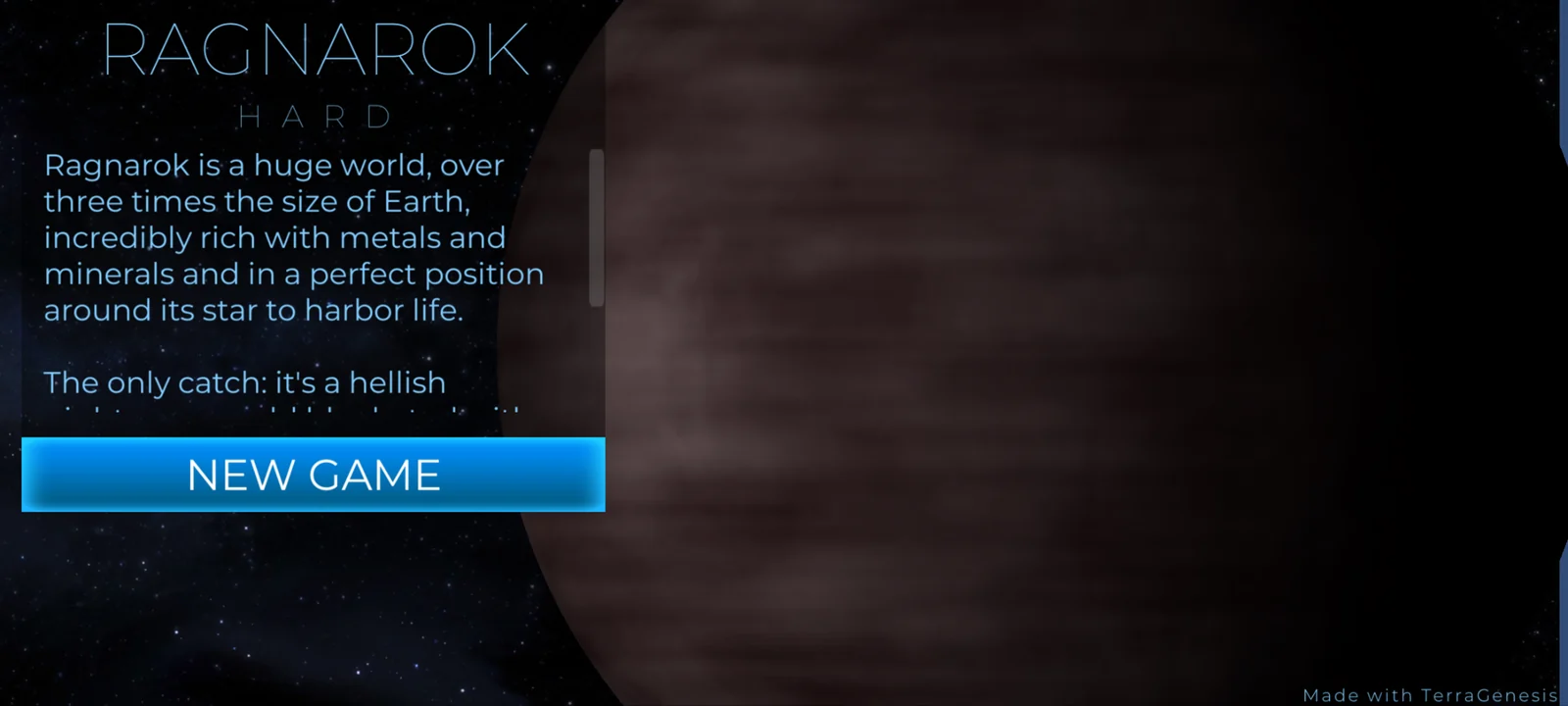
The concept was inspired by a molten world from Stellaris, although its thick atmosphere would make it more similar to the planet Ragnarok from Terragenesis, as those in Stellaris don’t have any visible atmosphere. Terragenesis, for those who are unaware, is a game where you settle and terraform alien planets, and Ragnarok is one world that can be played, being a volcanic hellscape covered in massive vents that constantly pour gas into the atmosphere. While I initially imagined Pyroity as a volcanic super earth without an atmosphere, I decided that having a thick atmosphere would give it more flavour, as well as allowing for lightning to form, which adds to the overall feel I am trying to go for. After all, when you imagine a world that is perpetually undergoing an apocalypse, do you expect a clear sky filled with stars or a thick black cloud cover and lightning?
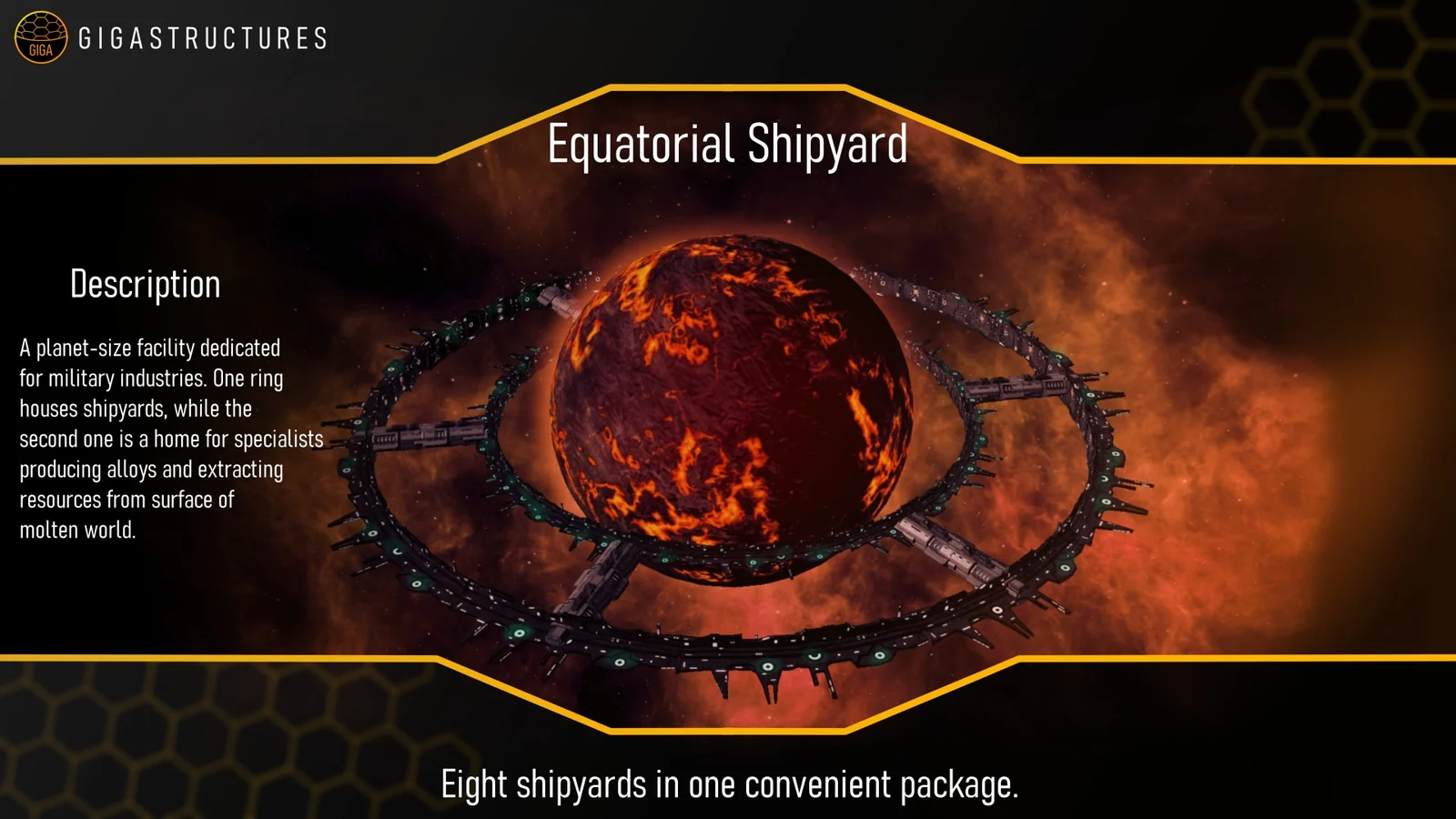
Now onto what the Arediyans are doing with Pyroity. Due to all the dangers of the surface mentioned earlier, even an advanced spacefaring civilisation would struggle to colonise it. This is exactly why they would choose to build all their long-term infrastructure in orbit rather than risk the nightmarish landscape of the surface, and orbital work. In this case, that orbital infrastructure comes in the form of an orbital ring, or rather two. The double ringworld orbiting Pyroity is called the Equatorial Shipyard, and is a reference to the Equatorial Shipyard from Stellaris: Gigastructural Engineering, consisting of a habitable megastructure that, when colonised, can allow for the mass production of alloys. Its expanded usage as, well, a shipyard gave more reason for a militaristic civilization such as the Arediyan National Realm to build such a thing, further serving as inspiration for its final purpose as the █████ █████.
Vateren
Vateren. The world from which it all began. I will only be skimming over it as there is honestly too much for me to cover in a single blog. I could go into detail describing each continent, its wildlife, its history, and more, but that would take far too long. As such, I will be going over what inspired the planet and its overall layout.
The name Vateren actually did not come from ‘veteran’. Rather, it originated from the German word ‘Vaterland’, which means ‘Fatherland’ in English. Of course, it is the homeland of the Arediyan race, one that they bathed in nuclear fire to wipe out perceived oppressors and secure the planet for their kind alone. It has four continents, Eyropa, Ovperium, Ostica, and Edenfrika, the latter of which is a separate landmass from the other three. The planet was inspired by a ‘tomb world’ from Stellaris, which is one that is undergoing a nuclear winter. As Vateren has undergone an utterly catastrophic example of this due to the Crimson Trial, it makes sense that the planet remains utterly devastated centuries later. The issue with using one is that radiation from a nuclear bomb lasts around several months, with even the long lasting ones (cobalt bombs) having their effects fade away after several centuries at most. Granted, the radiation left by nuclear plant accidents can last millenia, but this is insufficient to explain the continued irradiation of an entire planet after almost a thousand years. Furthermore, nuclear winters last around a decade before the soot sinks back to the ground, making one that lasts for even a century unrealistic.
To add some realism to the setting, I decided to make some changes to the ‘tomb world’ concept. Firstly, Vateren has a thicker cloud cover due to a mix of slight leftovers from the Crimson Trial, pollution and a naturally higher cloud concentration. Furthermore, certain areas, such as Eyropa are more radioactive than others due to hosting the historical enemies of the Arediyans and thus are hated by them. Due to this hatred of the land itself, they are used for nuclear weapons testing and heavily polluted, preventing any real recovery from taking place and leaving them as wastelands. I know that there are probably some scientific inaccuracies here, but you don’t always have to be too realistic when worldbuilding. After all, hyperdrives, psionic technology and million-year old civilisations watching over the galaxy aren’t necessarily realistic, but that doesn't make your story any less readable. You can see this in books like Project Hail Mary with its astrophages and xenonite or Remembrance of Earth’s Past series by Cixun Liu with the Sophons and Droplets. Those concepts aren’t necessarily realistic, but both of these did amazingly and were even adapted into film.
Summing that up, here is a word of advice to sci-fi writers: Just make your tech and world make sense, and you don’t need to worry about realism being a problem. There is no need to make something completely rooted in known science. Of course, that is assuming you are not writing hard sci-fi, in that case, well, I hope you know your physics first (I don’t).
Veurerherz
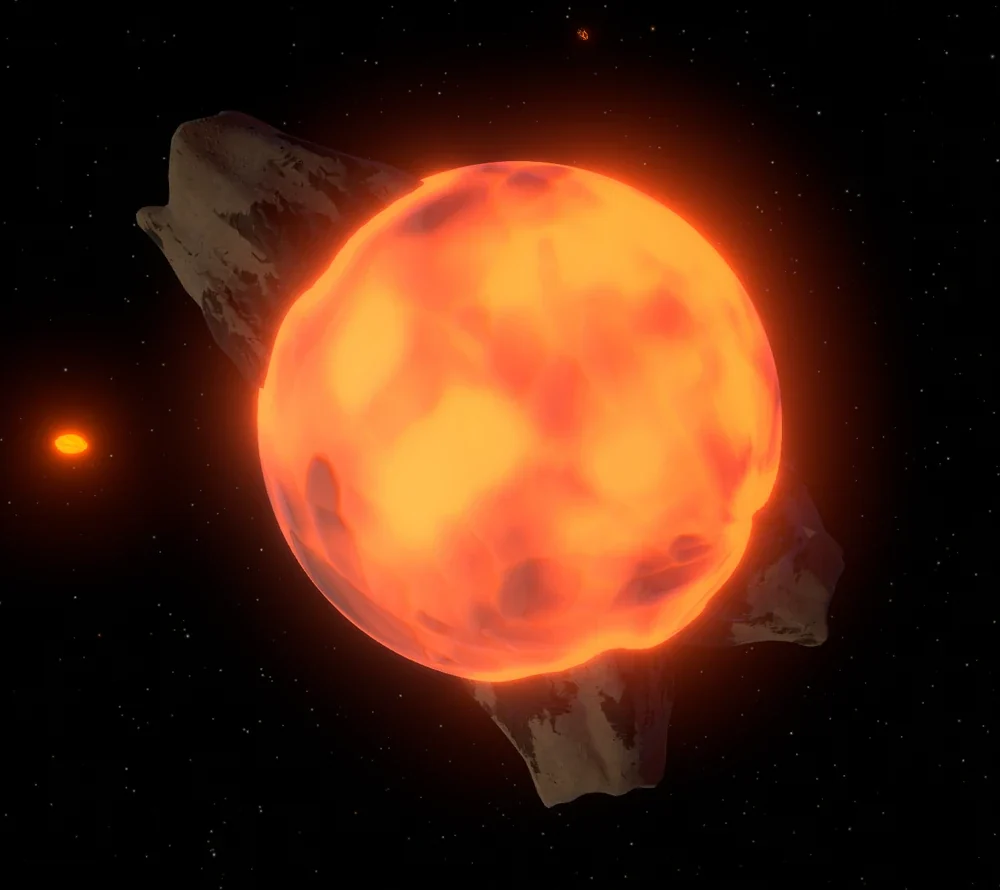
Moving on, we have Veurerherz, Vateren’s moon. This name came from the German word ‘Feurer’, meaning fire (I recall that ‘herz’ came from some variation of the word ‘hearth’ in a different language, though I do not recall which language it was). A moon helps to slow a planet’s orbit and shorten its days as well as stabilise its tilt, making the world more hospitable to life, so I decided to add one to Vateren. When I wrote of it, I was envisioning something like Hollow’s Lantern from Outer Wilds, a volcanic moon spewing out dust into space. Such an object also helps to give additional personality to the Setovoye system by creating a Moon stand-in that doesn’t just copy the real one, instead having its own unique character. Think of it as a smaller Pyroity with no atmosphere and less violent (but still highly explosive) eruptions.
Solead
Then, there is Solead. This world was intentionally written to be almost boring, being a cold, barren rocky world with no atmosphere (when I was writing it, I just imagined an average barren world from Stellaris). But in a way, that helps to make the setting more immersive and real. How, you may ask? Well, in real life, not every corner of the world is some unique land of wonders. We have endless identical deserts of sand (or ice, in the case of Antarctica), mountain ranges with hundreds of similar peaks standing around each other and forests filled with the same type of trees for miles and miles. Space itself is not that different, as most worlds are barren wastelands scorched by their stars or exposed to the cold emptiness of space. Mercury, Venus, the Moon, Mars, the gas giants, all of them seem unique until you look out into the cosmos and find a trillion other identical worlds. And of these endless worlds, barren rocks like Mercury are the most common.
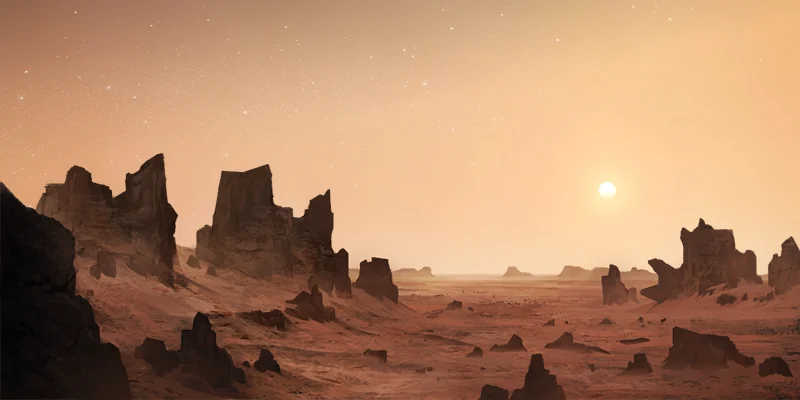
Solead (a name whose origin I appear to have forgotten) might seem like Mars at first, that is until you realise its lack of any real personality. It has no red soil, no iconic valleys or mountains, just endless cliffs, craters and mountains beneath a near-nonexistent atmosphere, even thinner than the one shown in the image above. Such a world would be unique in Setovoye, but once you get past that, it is the norm. For this reason, it plays a minor role, mostly existing to add to the system as a whole by giving something that is unique to it but otherwise boring.
Well, a minor role for now at least. Who knows what the future holds?
Stribog
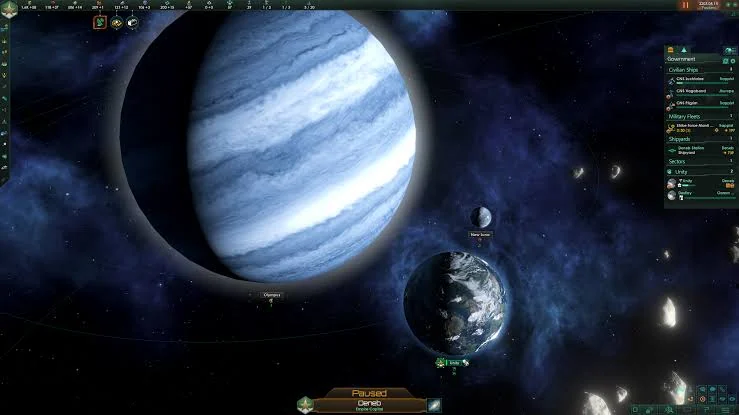
Stribog, named after a slavic god of the same name, is another significant Stellaris inspired world, with the image of the game’s normal blue giant in my mind as I wrote it. However, the Gigastructural Engineering mod was what decided its final purpose, specifically its Yggdrassil Orchid Complex megastructure. Stribog is a Jupiter-like gas giant except that its atmosphere contains high quantities of organic compounds that could develop into life, which would, in theory, be helpful if one wanted to use it as a sort of floating farm. This is the reason why the Arediyans put massive satellite farms in orbit, equipped with tractor beams to siphon gas. They are also connected to turbines in the atmosphere to generate electricity and massive mirrors to redirect starlight to allow for photosynthesis, adding some realism.
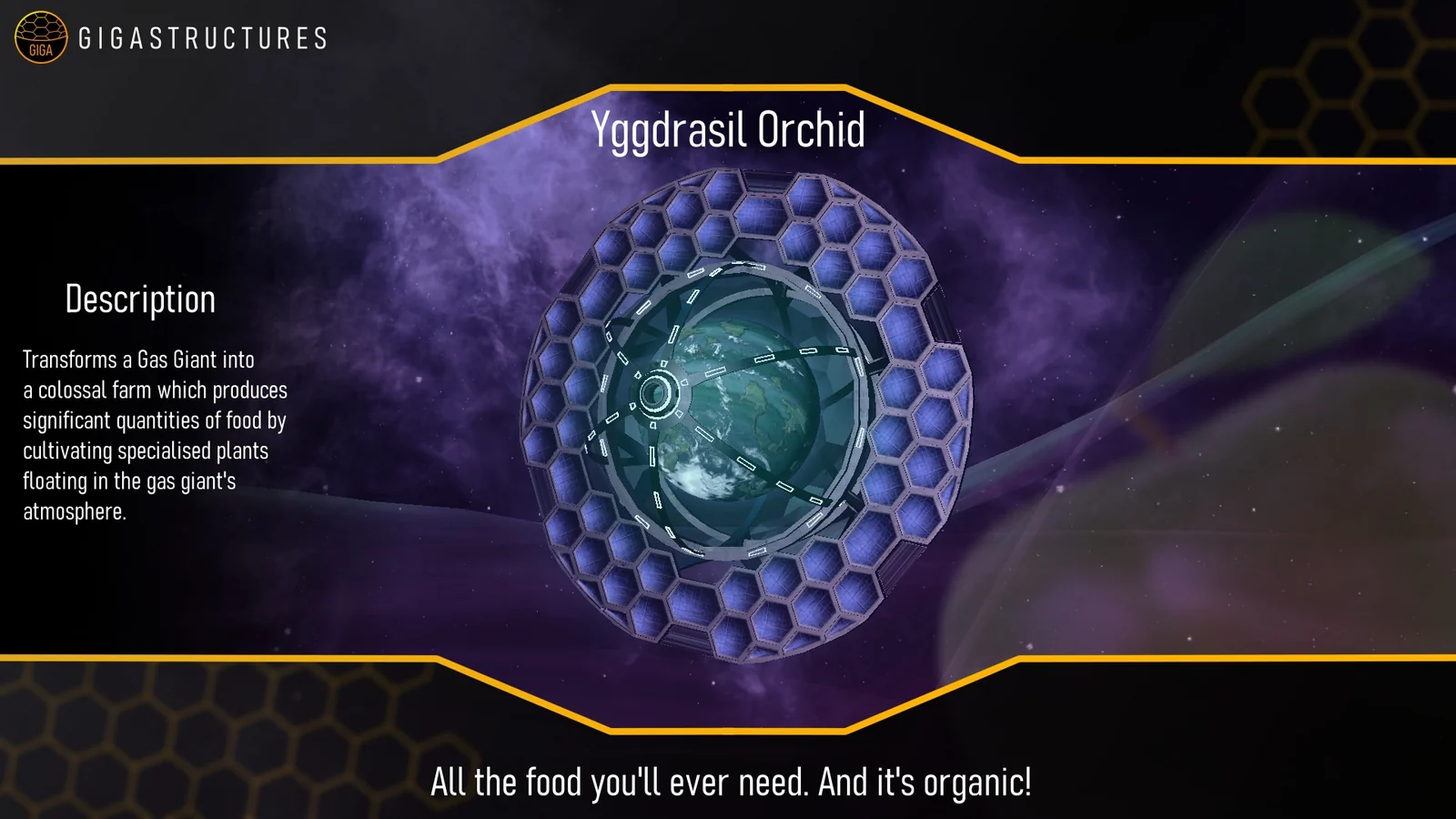
Of course, the Arediyans plan to build the Stribog Sky Orchid, a megastructure equivalent to the Yggdrasil Orchid Complex from Stellaris, which involves stabilising its upper atmosphere and seeding it. This, at first glance does seem like a reliable food source close to the homeworld, although, if you have read the book, you will know that it was a front for the construction of the ███████ ██████.
Bliziki
The last of Setovoye’s primary planets is Bliziki (I do not remember exactly where I got the name from. I believe the word ‘blizzard’ had some effect on it. Bliziki does not play as major a role in the story, but it will likely serve a role in the upcoming sequel. The planet is an ice giant like Uranus and Neptune, though far larger. Its moon Borsigil (whose name comes from Boreas), is an icy moon similar to Europa and Enceladus, though it is larger. As mentioned earlier, it will appear in future books, so it is best not to give too much information on them yet.
Setovoye III and Consobrin
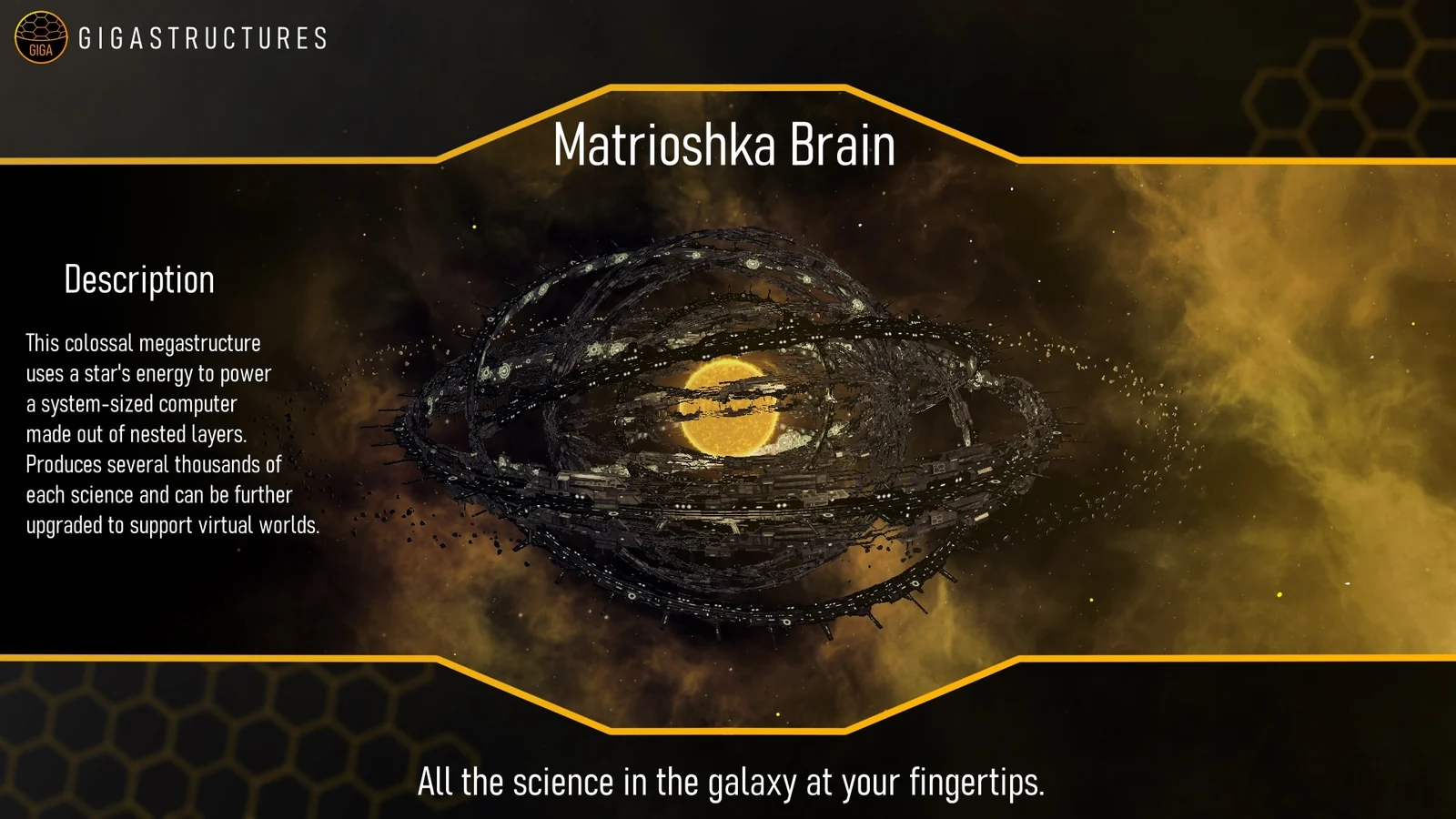
Of course, we have to remember Setovoye III and Consobrin. Setovoye III is a yellow giant like our sun, which is why the Arediyans use it instead of I and II for their Dyson Swarm and later Matrioshka Brain (not necessarily from Gigastructures, though its appearance in the mod certainly helped in my decision to add it). It being brighter than the other two stars also serves to give it a more hopeful history and appearance compared to Vateren, which has dimmer and redder stars.
Consobrin comes from the latin word for ‘cousin’ (Consobrinus), which fits its intended role in the story. It is a sort of cousin to Vateren, similar in size, orbiting around a nearby star in the same star system and hosting its own intelligent race that is itself similar to the Albellurians. The world and the Fraternians that inhabit it serve to exist as a first and innocent victim for the Realm and an additional reason for their xenophobia. The Fraternians were, at the time of the conquest by the Arediyans, a civilization in its middle ages which had an unfortunately similar appearance to the Eyropans. This led to the Arediyans, still psychologically conditioned to hatred of their kind, to annihilate them, enslave any survivors and strip its atmosphere. In spite of not being aggressive, the Arediyans, out of a past trauma, reacted to them with extreme violence.
To be honest, I haven’t really thought out the rest of the planets that orbit Setovoye III yet. There are multiple worlds orbiting it, and at the moment should consist of two rocky worlds that are rich in minerals, have low gravity and are close to Setovoye, making them candidates to easily extract and transport material for the construction of the Dyson Swarm and later Matrioshka Brain (For those unaware, a Matrioshka Brain is a layered Dyson Sphere-like megastructure that dedicates the entire energy output of a star to computing power). should also ideally have at least one gas giant, but again, this part has not yet been thought out.
For now, that is all I can say about Setovoye without spoiling anything. I hope that from this blog, you have gotten some insight into worldbuilding that might help you in your own story planning, or at minimum an interesting read to spice up your day. I’ll likely write more of these worldbuilding blogs to discuss my world, so expect to see more of these soon! And not to mention the upcoming sequel that will reveal far, far more than what my blogs will…
See you then!